



Gum Disease
Gum disease, also known as periodontal disease, is a progressive condition that affects the gums and supporting structures of the teeth. It is caused by the accumulation of plaque, a sticky film of bacteria that forms on the teeth and gums. When plaque is not removed through daily brushing and flossing, it hardens into tartar, which can only be removed by a dentist or dental hygienist.
What are the different stages of gum disease?
- Gum disease is classified into two main stages: gingivitis and periodontitis. Gingivitis is the early stage of gum disease and is characterized by inflammation and bleeding of the gums. It is the mildest form of gum disease and is easily reversible with proper oral hygiene and dental care.
- On the other hand, periodontitis is a more advanced form of gum disease that can lead to serious consequences, such as tooth loss and bone damage. In this stage, the gums begin to pull away from the teeth, forming pockets that can become infected. As the disease progresses, the supporting bone and connective tissue that hold the teeth in place are destroyed, leading to tooth loss.
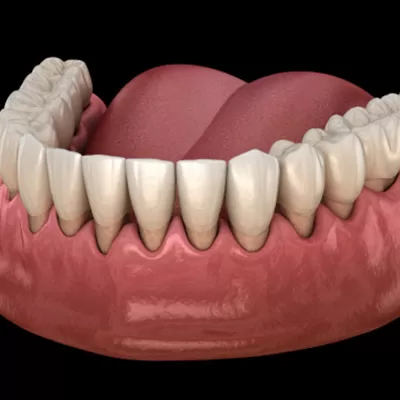
What are the causes of gum disease?
Several factors can increase the risk of developing gum disease, including:
- Poor oral hygiene: Plaque buildup is the primary cause of gum disease, so it is important to brush and floss regularly to remove plaque and prevent tartar buildup.
- Tobacco use: Smoking or using other forms of tobacco can increase the risk of developing gum disease.
- Genetics: Some people are more susceptible to gum disease due to their genetic makeup.
- Hormonal changes: Hormonal changes, such as those that occur during pregnancy or menopause, can make the gums more susceptible to disease.
- Medical conditions: Certain medical conditions, such as diabetes, can increase the risk of developing gum disease.
- Medications: Some medications, such as certain antidepressants and birth control pills, can affect the health of the gums.
- Age: As people age, their gums become more susceptible to disease.
What are the treatment options?
There are several different dental fillings, each with unique benefits and drawbacks. Some of the most common types of fillings include:
- Amalgam Fillings: Amalgam fillings, also known as silver fillings, are made from a mixture of metals, including silver, tin, copper, and mercury. They are durable and long-lasting but also noticeable and can discolor over time.
- Composite Resin Fillings: Composite resin fillings are made from plastic and glass particles. They are tooth-colored, so they blend well with the tooth's natural color. Composite resin fillings are also relatively easy to apply, but they may not be as durable as other fillings.
- Ceramic Fillings: Ceramic fillings are made from materials similar to those used in dental crowns. They are tooth-colored and durable but are also more expensive than other fillings.
- Gold Fillings: Gold fillings are made from gold or a combination of gold and other metals. They are strong and durable, but they are also the most expensive type of filling and are noticeable due to their color.
Treatment for gum disease depends on the stage and severity of the disease. In the early stages of gingivitis, thorough deep cleaning by the dentist or dental hygienist can usually reverse the condition. This may involve a deep cleaning procedure, such as scaling and root planing, to remove plaque and tartar from the teeth and gums.
In more advanced cases of periodontitis, more extensive treatment may be necessary by a periodontist. This may include surgical procedures to remove infected gum tissue and promote healthy tissue regrowth. In severe cases, gum surgery may be necessary to remove pockets of infection and promote healthy gum tissue regrowth.
In addition to surgical treatments, your periodontist may recommend antimicrobial mouth rinses, antibiotics, and other medications to help control the infection and promote healing.
Who are the candidates?
Anyone with gum disease or at risk of developing it is a candidate for treatment. This includes individuals with a family history of gum disease, those who smoke or use tobacco products, and those who have medical conditions or take medications that can affect the health of the gums.
It is important to note that gum disease is a progressive condition and can lead to serious consequences if left untreated. Regular dental check-ups and cleanings can help detect the early signs of gum disease and prevent it from progressing to a more serious stage.
Getting gum disease treatment in Irvine, CA
Gum disease is a serious condition that affects the health of the gums and supporting structures of the teeth. If you have gum disease and want the best treatment to suit your needs, call us at (949) 733-3647.